
MARITIME-MUSEUM- BARCELONA
Exhibition project for the Maritime Museum of Barcelona
The Maritime Museum of Barcelona is an institution dedicated to the preservation of the city’s maritime heritage. In 2025, it is undertaking the renewal of its permanent exhibition with the aim of updating the space to include content focused on conflict at sea.
The intervention seeks to introduce a contemporary perspective centred on refugees and forced maritime displacement.
This project forms part of the Maritime Refugee Project, an international initiative followed by more than 100 museums, which connects historical and contemporary narratives on maritime migration and positions the sea as a space of transit, conflict and hope.
Visivalab, in collaboration with artist and museographer Pep Camps, has developed the new narrative and museography for two areas of the permanent exhibition. The result is a proposal that integrates different exhibition languages—both analogue and digital—designed to engage visitors and encourage reflection.
- Client
- Maritime Museum of Barcelona
- Year
- 2025 (Permanent exhibition)
Project
CONSTRUCTION OF THE NARRATIVE
Visivalab draws on the themes identified by the museum and proposes a new approach to expand them within the historical context of Spain. The aim is to explain the causes and consequences of forced displacement by sea, and to encourage reflection on how perspectives and responsibilities change over time.
The exhibition project is developed through the study of the Maritime Museum’s documentation and collections, organising the content within the available gallery space. The solution is integrated into two freight containers and is adapted to the identity of the existing exhibition.
A MUSEOGRAPHIC PROPOSAL ADAPTED TO THE SPACE
The museographic proposal combines different exhibition languages within two compact spaces. The result makes full use of the available possibilities, delivering a carefully considered and robust solution that seeks to establish a connection between the narrative and the audience.
Space 1. Contemporary Migration
This space explains what it means to be a refugee today. It presents current migration routes and the risks associated with the journey, highlighting the human impact of displacement by sea.
It includes:
- A real small migrant boat as the central element, accompanied by an audiovisual installation featuring projected testimonies from people who have migrated by sea.
- A graphic installation introducing the concept of a “refugee” and situating the visitor within the central theme of the space. The piece defines what a refugee is in different languages, including those of currently displaced populations such as Kurdish, Turkish, Somali and Hausa.
- A wall infographic displaying a map of the main maritime migration routes arriving in Spain.
Space 2. Historical Migration in Spain
This space provides context and adopts a social perspective. It explains expulsions and population movements across different periods in Spain’s history.
It consists of:
- A graphic installation that brings into dialogue two realities within the same territory: a place of origin and a destination for displaced populations. It presents historical episodes involving the expulsion of different groups and identifies those responsible for these displacements, alongside contemporary images of people seeking refuge in Europe by sea.
- An interactive installation featuring a digitised album that revisits a lesser-known episode. This piece sheds light on the expulsion of 202 people from Spain in 1919 aboard the vessel Manuel Calvo, while also highlighting the value of the museum’s documentary holdings.
Further Proposals
In addition to these interventions, the analysis of the museum’s material opens up the possibility of expanding the narrative to other elements within the collection. Specifically, an intervention is proposed on the work The Battle of Lepanto, located in a container adjacent to the same exhibition space, in order to highlight aspects of the painting that connect with the sea as a territory of conflict, the central axis of the proposed reinterpretation.
Other projects
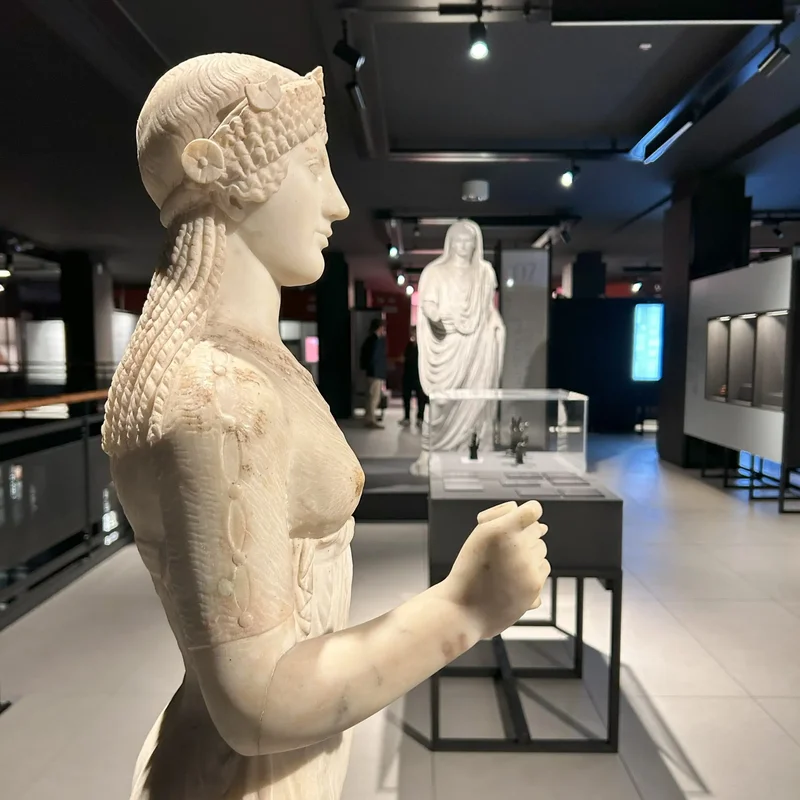
Exhibition project “Aosta and Pompeii. Reflections of Augustan Concord at the origins of the Empire”
Exhibition Design
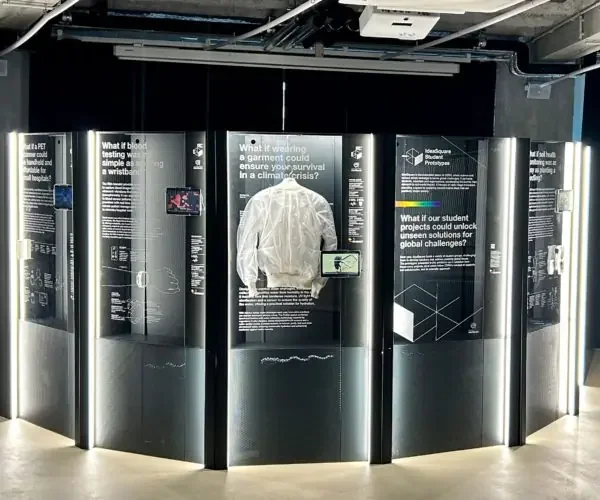
Modular exhibition system for the ATTRACT Academy
Exhibition Design
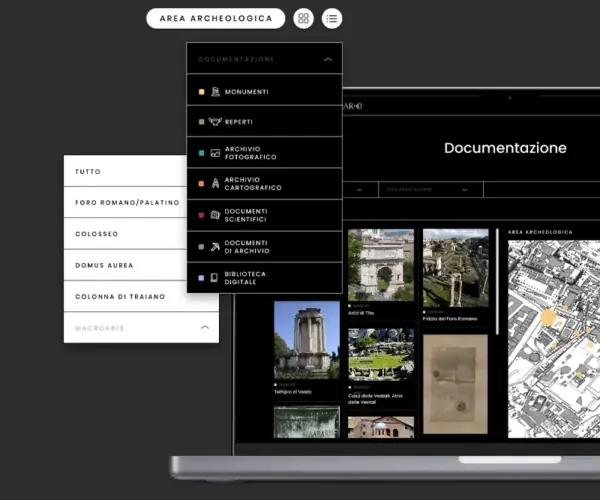
Sistema Omnia, heritage cataloguing
Heritage Digitalization